

Publishing your debut isn’t the end of the story.
Every aspiring author spends years imagining that moment — the book deal, the launch day, the finished copy in their hands. But few realize that the emotional dip after the debut can be one of the hardest parts of the whole journey.
Because when the goal you’ve been chasing finally happens, there’s a strange quiet on the other side of it.
The best cure? Fall in love with the next book.
The authors who last don’t wait for their debut to define them. They keep writing. They stay focused on what they can control — their craft — instead of the parts of publishing that are out of their hands.
That mindset shift is the difference between a one-book career and a lifelong one.
In today’s interview, senior literary agent Mary C. Moore shares the emotional letdown most debut authors don’t see coming, the mindset that helps writers weather publishing’s ups and downs, and the eye-opening reality of how many queries actually lead to representation.
OUR SPECIAL GUEST TODAY IS…
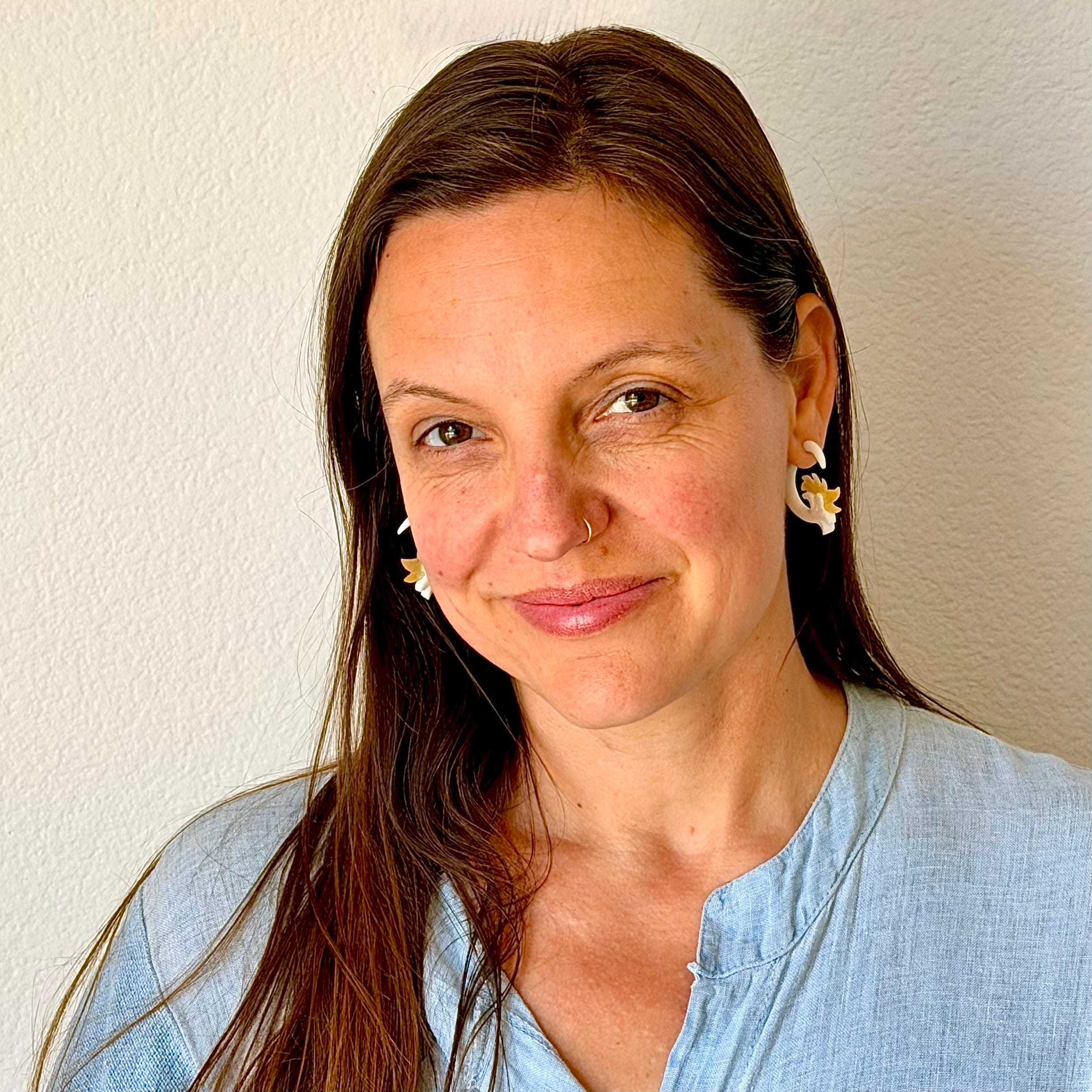
Mary C. Moore
Senior Literary Agent at Aevitas
Really keen for layered book club fiction, light speculative/genre elements welcome!
Submission guidelines on her website, marycmoore.com.
What’s one challenge most debut authors don’t see coming, and how do you help them navigate it?
The debut “come-down.” Typically up to the point of debuting, all of an author’s focus and energy has gone into one concept, to publish a book. They’ve spent months/years honing their craft and searching for a literary agent. They’ve spent months/years on submission to editors. They’ve endured rejection and questioned if it was all worth it.
Then they get the book deal, and the surge of excitement and anticipation carries them through the pre-publication ups and downs and post-publication high. But most debut results don’t live up to the expectations of the author, and even those that do, there comes a moment of let down, when the author realizes that part is done and now the milepost has moved.
Hopefully at this point I’ve done a good job of both prepping them for that moment as well as steered their focus and attention on to their next project so that we are deeply invested in the next thing.
What is one piece of advice you would give to a writer who aspires to be published?
If possible, always look towards your next project. Have your focus be on what you can control, your writing. Once your book is on submission, you will have to let go quite a bit, as it’s in the hands of others. And once it’s published, it’s then in the hands of readers. You can’t predict how people will react to your work, but if you are already working on your next, you can tune out a lot of that noise.
Are you querying this year?
Check out my book written with the creator of QueryTracker!

What’s one thing querying writers worry about too much, and one thing they’re not thinking about enough?
I could be wrong, but it seems to me querying writers worry too much about small errors in their submission material, instead of thinking about the bigger picture, i.e. who their target audience is and how their book fits the market.
Approximately how many queries do you receive per year, and how many of those result in an offer of representation?
When I’m open to queries, I get almost a thousand a month. I have to shut down to queries often just to keep up. And I only sign around 3-5 new clients a year. I sometimes track the data on my blog, breaking it down further.
Ready for feedback that takes your story to the next level?
“I have greatly benefitted from my collaboration with Alyssa; I would not be where I am today without her! Her developmental ideas and vision for my novel taught me so much and helped to elevate my work in highly effective ways. Her editorial fingerprint is evident in the final result—a novel on bookshelves nationwide.”
—Jill Beissel, author of Glitter and Gold
Can you share a client success story or a motivating anecdote for writers who feel may discouraged about publishing?
I once signed a client after their manuscript was sitting in my submissions for almost a year. And now their debut is coming out! I try not to make a habit of sitting on manuscripts (as well as check in with the idling submission), but sometimes it really is a matter of finding the space to not only read a manuscript but to visualize what is needed to sell it.
We get so many queries that if a submission doesn’t jump out right away as something we are confident we can sell, but it also tickles our intuition as having potential, then it might take more time for us to make a decision on it.
ICYMI…this week on YouTube, I share line-by-line critiques of real subscriber query letters with my co-author, Patrick McDonald of QueryTracker.

The numbers are the part worth sitting with: about a thousand queries a month against three to five new clients a year. With that gap, fit does most of the filtering, so it may be worth checking what an agent represents and has sold before spending another week on query wording.
Addressing the psychological crash that hits authors right after their debut launch is talking about one of the darkest industry secrets Alyssa. With fifteen years directing a publishing house and collaborating with NYT bestselling authors, I watched so many debut novelists completely freeze up in despair because they expected fireworks and personal transformation on publication day, only to be met with dead silence on teh page of their careers once the initial party ended.
What gripped me most in your discussion with Mary is her uncompromising candor about query numbers versus reality. Hearing that an established agent fielding nearly a thousand queries a month signs only three to five clients a year is sobering medicine every aspiring writer needs to swallow. Her insight that authors waste energy agonizing over single typos instead of clarifying where their story sits on the retail shelf cuts right to the commercial core of this trade.
Where the interview leaves a slight gap is detailing the practical bridge between finishing one campaign and surviving the debut slump. Advising authors to simply fall in love with the next manuscript is the correct diagnosis, but when an author is exhausted from months of marketing and promotional anxiety, jumping straight into a blank draft can trigger immediate burnout. Offering a concrete tactic on how to transition creatively, such as taking a month to experiment with low-stakes short fiction before tackling another full novel, would give Marys advice even greater staying power.
I am notoriously selective with what I make time to study on Substack amidst my own demanding schedule, but your honest peek behind the editorial curtain earned my full attention. You are always welcome in my corner of Substack as well. When you work with debut authors facing that quiet post-launch valley, what is the best strategy you use to help them rediscover the pure joy of storytelling without obsessing over sales figures? :)