

Two weeks ago, I published a video breaking down the Shy Girl case, discussing how traditional publishing hasn’t proven capable of protecting authors and readers in this AI Wild West.
I honestly thought I was late to the game, that the Internet had already moved onto the next bookish drama.
Boy, was I wrong.
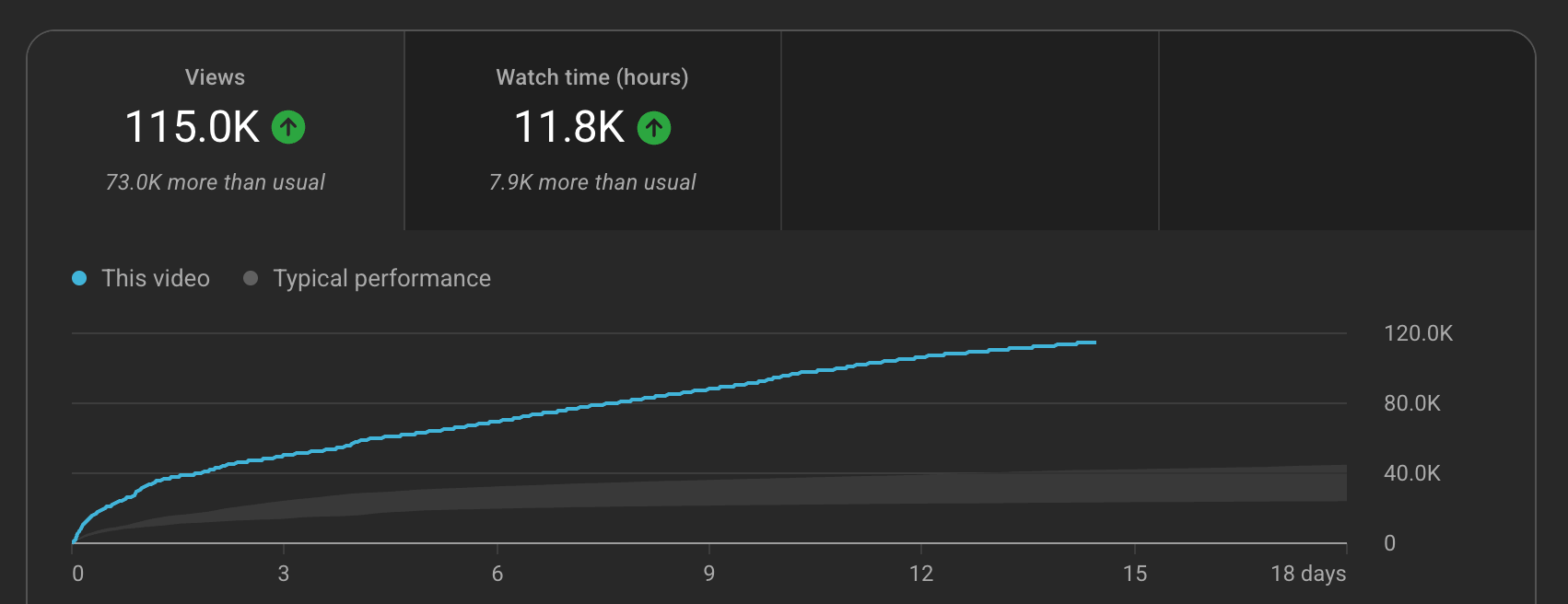
The video instantly shot up to my most-watched in months and is now at more than 115,000 views. It’s tracking to be my most-viewed video of all time.
If you haven’t watched it yet or have no idea what I’m referencing, check it out here.
There are still so many unknowns with the Shy Girl case that aren’t worth further speculating on, but what’s abundantly clear is that authors are rattled. They’re worried that they’ll be the next ones “burned at the stake” in the AI witch hunts.
So let’s talk about it: what can — and what should — you do if you’re accused of using AI to write?
No one is safe from AI accusations (myself included)
I’ve personally received two AI accusations: one person suggested that I used AI to write an Instagram caption, and another person claimed to run my two-sentence YouTube video description into an AI detection tool and said it came back as AI-generated. (In that very video, I discuss how AI detection tools are not completely reliable, but that’s beside the point.)
I didn’t use AI in either case. But does it even matter? Once someone is convinced you used AI, can you ever dig yourself out of that accusation? Can you prevent these accusations upfront?
Luckily, these comments were isolated and didn’t negatively impact my business. But the same can’t be said for Mia Ballard — whether Shy Girl contained AI writing or not, her name will now be associated with it.
And I suspect that anyone who publicly posts or publishes content is going to face an AI accusation at some point.
So…how do we respond?