

If you’re querying right now or preparing to query soon, this newsletter is for you.
Now might be the absolute hardest time to be a querying author. Agents are taking longer to review their queries. More agents are adopting the “no reply means a rejection” policy. Publishers are closing up their purses, which affects how many clients agents take on.
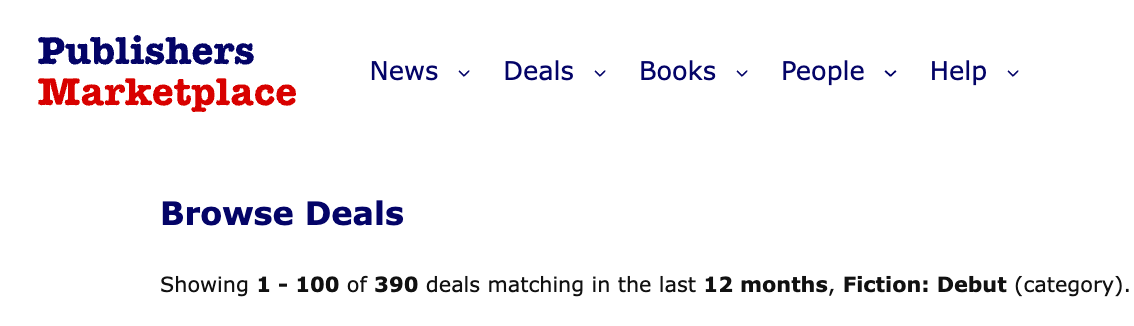
But that doesn’t mean you won’t make it through. A quick scan through the debut section on Publishers Marketplace shows that publishers are still interested in fiction from first-time authors!
In 2025, there were 390 deals reported to Publishers Marketplace in the debut category (note that this database does not contain all deals, since they have to be reported, and it doesn’t include all the authors who signed with literary agents).
To celebrate the start of the new year, I’m wrapping up the best query advice I heard this year from traditionally published authors and literary agents featured in this newsletter.
Here are their 8 best tips for surviving — and getting out of — the querying trenches:
1. Just because an agent loves your book doesn’t mean they’re the right agent
I know it can be tempting to accept the first agent offer you get. But it’s very important that you take the time to ensure it’s the right offer. Make sure that you wait for the agent who will share your vision and bring it to fruition.
“Sometimes, agents absolutely love your manuscript and it sticks with them, but that doesn’t mean they’re the ‘right agent’ for the publishing process.
There could be a thousand factors involved, but it often boils down to whether they can reasonably position your book in the market. While this can make querying authors frustrated or bitter, you actually want an agent that will be that transparent with you. An agent who takes on a client without having a sales strategy or industry experience can be a major problem in the future.
If you’re looking to publish traditionally, it’s likely that you want the work to reach a larger audience. If that’s the case, you want to partner with someone who has a well defined strategy to make that happen.”
— Allison Gunn, author of Nowhere
2. Be flexible and receptive
Most agents are editorially inclined, meaning they’ll want to work with you to revise and strengthen your book before submitting it to publishers. So agents are looking for authors who are flexible, receptive to their feedback, and want to produce the most polished book possible.
“I would say one of the biggest green flags for me is flexibility. When signing new authors, I always tell them that my editorial suggestions are in the end, suggestions, and that the revision process is an ongoing conversation, not a mandate. And this is true!
But I always look for authors who are willing to kill their darlings, so to speak, and be flexible and receptive to edits both big and small. Being flexible and willing to look at your manuscript through a different lens often yields the best book and the best results.
Beyond that, the submission and publication process can be lengthy, arduous, and sometimes disappointing. The ability to manage the highs and lows of the publishing industry is crucial.”
— Lily Dolin, Associate Agent at Sterling Lord Literistic, Inc.
Want professional eyes on your query package?
“Because of Alyssa’s feedback on my query letter, I was able to obtain a reputable agent who then sold my book to a top 5 publisher! When I needed help choosing an editor, she was there to chime in and offer guidance! And even eleven months later when I asked for insight choosing an imprint, she helped then, too!”
—Bailey Evers, contemporary romance author
3. Personalization can go a long way
Despite what you hear people say, you do not need a personal connection to get an agent. Cold queries lead to representation offers and book deals all the time!
One small thing you can do to stand out in agents’ inboxes is personalize your query letters. You should already do some research on the agent before deciding to query them, so mention something from their MSWL or client list that caught your attention.
“After sending my manuscript to about ten or more friends and really trying to polish it as much as possible, I cold emailed a list of agents in batches of five or ten using a spreadsheet I made in Google Sheets with each agent name, agency, a book I liked that they represented, and their query format.
Personalizing each query letter and making sure that I was querying the right agent at each agency for my manuscript helped me find my agent.”
— Lauren Ling Brown, author of Society of Lies
4. Capitalize on any momentum you get
Too many authors, after getting rejection after rejection, feel they have to work with the first agent who shows interest. But this can dramatically limit your options.
Here’s what you should do instead: